
Class A Re-Roof
A complete Class A fire-rated roof assembly, installed as a wildfire hardening system. Asphalt shingle, standing seam metal, or tile over ice-and-water at every edge and penetration, ember-resistant vents, and a documentation package for your insurer, on every job.
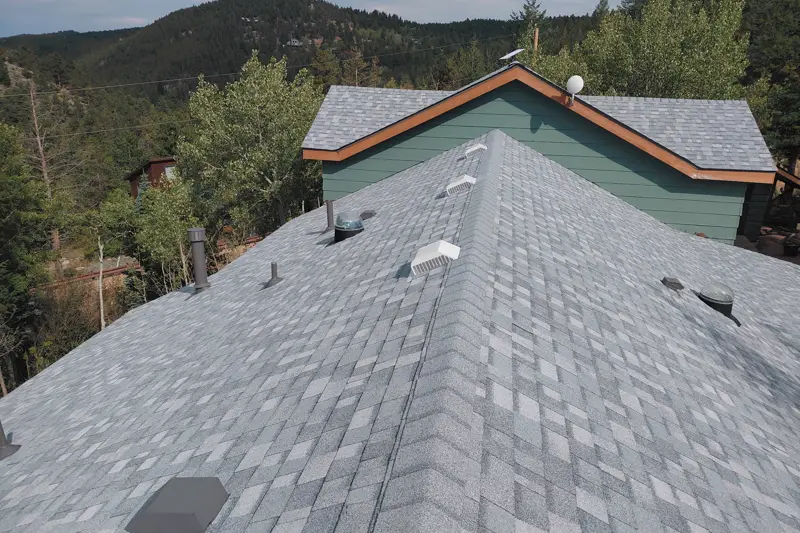
Why the roof is where most houses are lost
The roof is the largest surface embers land on, and the one you can't see from the ground. A wood shake or aged roof ignites from embers alone. Even a rated roof has openings: vents that draw embers into the attic, gaps at the eave and roof-to-wall corners, and needles packed in the gutter and against the flashing.
A Class A covering stops ignition at the surface. The rest of the assembly closes the openings. This system does both.
Meets Boulder County ignition-resistant construction requirements
Boulder County requires a Class A roof assembly on new roofs in the wildland-urban interface, with ember-resistant venting and noncombustible details at the edges. The completed scope meets those requirements. Fire Ready Exteriors pulls and manages the roofing permit and every inspection it requires. Read the county's requirements in Building Publication B-37: Ignition Resistant Construction.
What's included on every job
None of this is an upgrade. The wildfire details are the system.
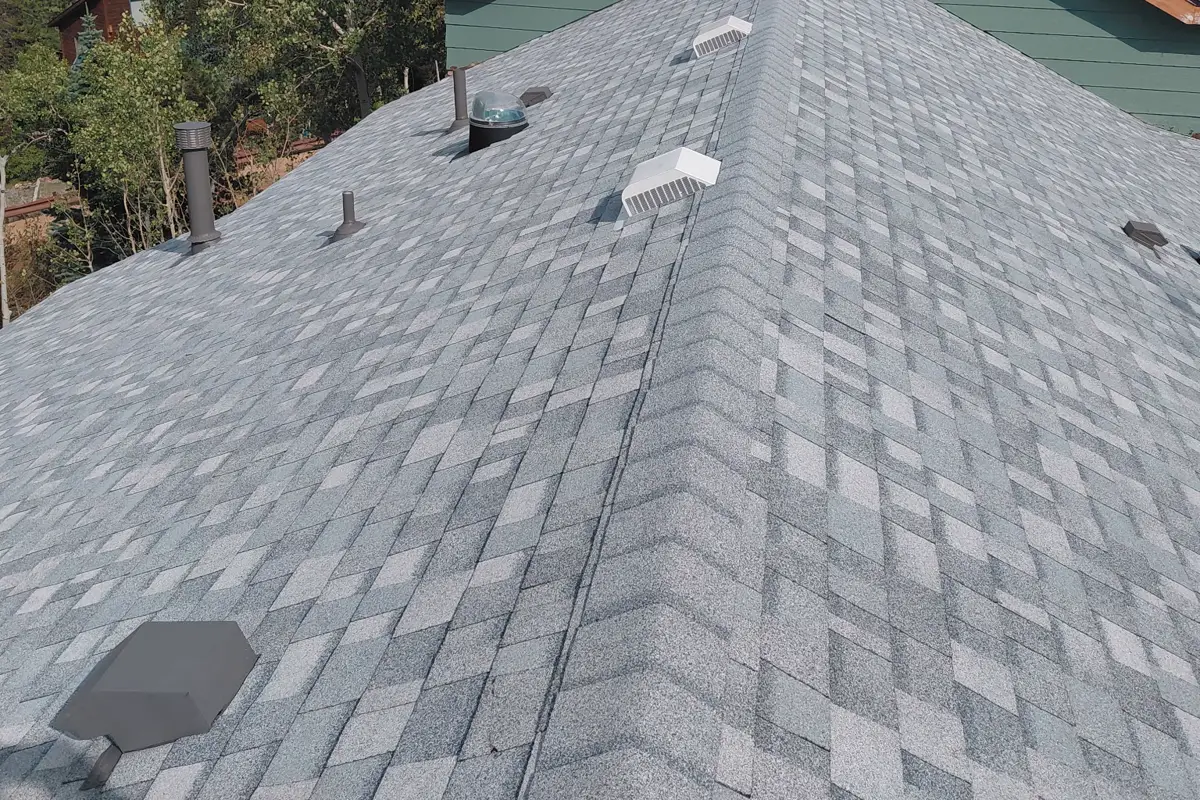
Class A roof covering
Asphalt shingle, standing seam metal, or concrete or clay tile, each installed to its UL 790 Class A listing. The three are compared under Roof options.
Class A is the highest fire rating a roof covering can carry, and it is rated as an assembly: the covering and what goes under it.
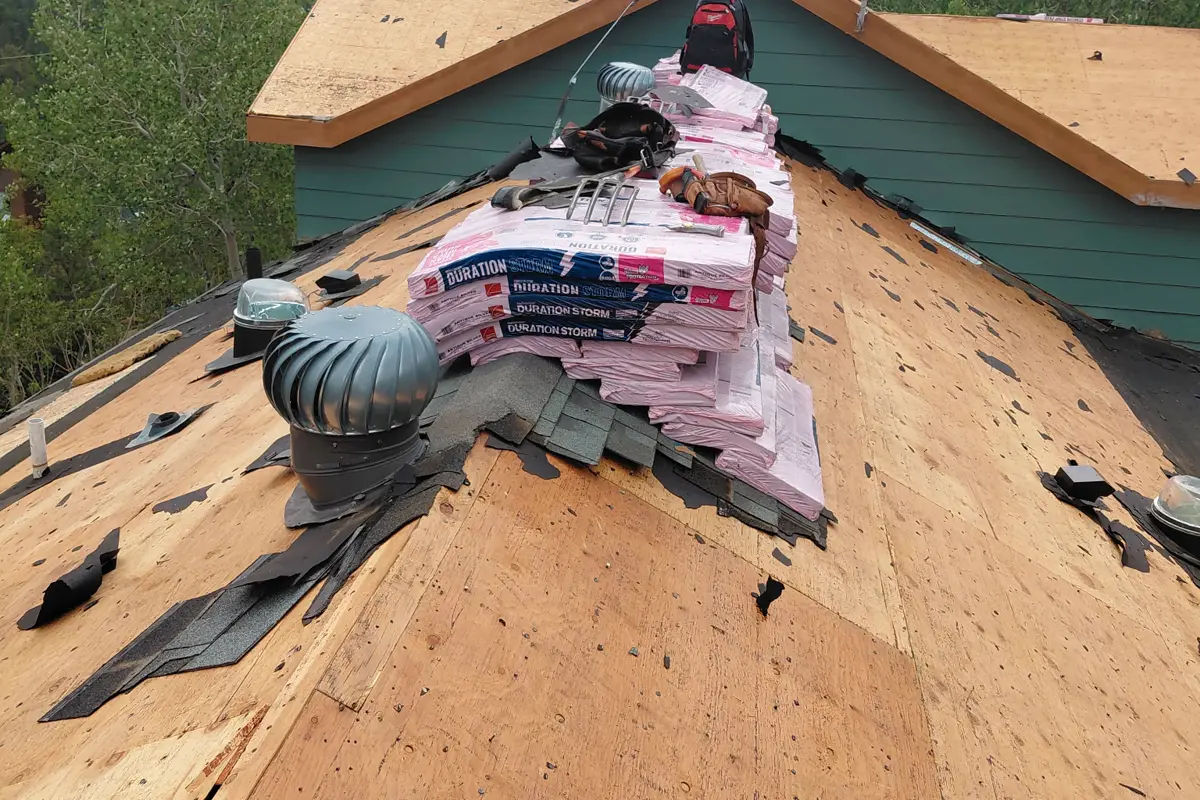
Tear-off to the deck
Every layer of the old roof removed. Sheathing inspected, soft or delaminated panels replaced, deck re-nailed before dry-in.
No combustible layers left under the new roof, and the only way to know what the deck looks like.
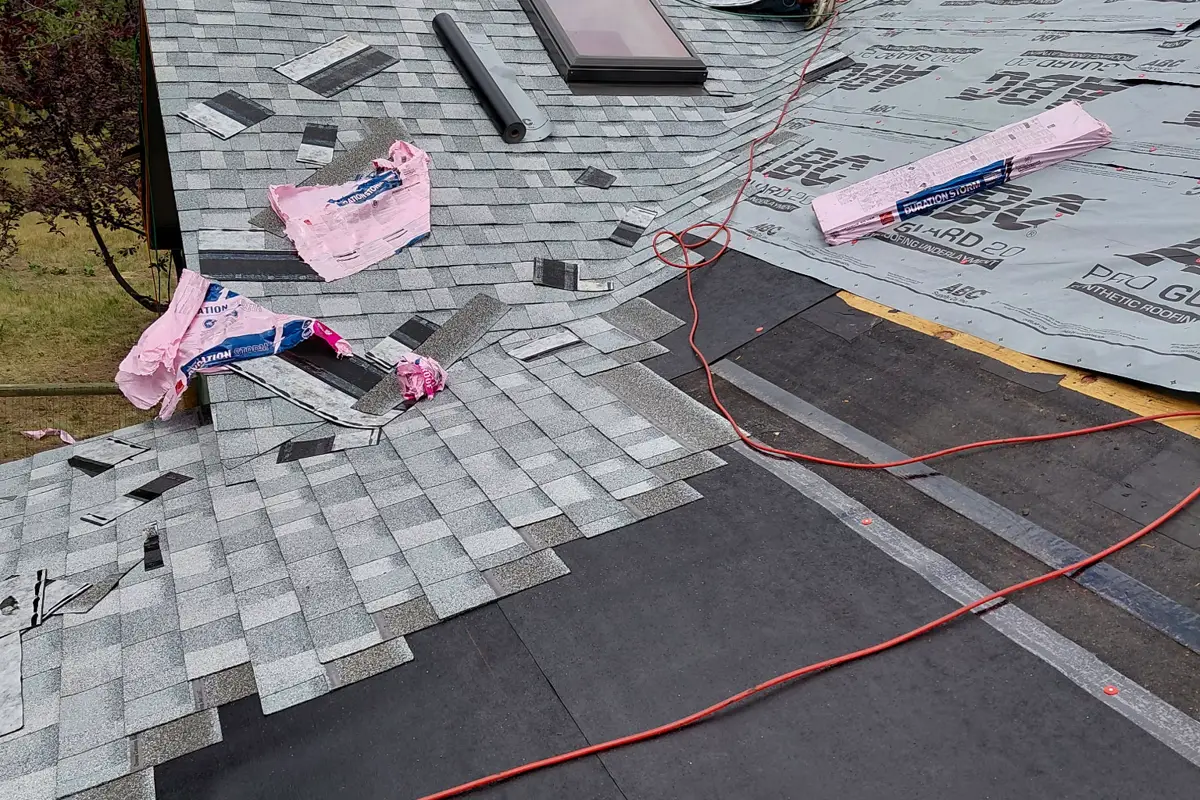
Ice-and-water membrane and synthetic underlayment
Self-adhered ice-and-water at eaves, valleys, and around every penetration. Synthetic underlayment over the rest of the deck.
Foothills freeze-thaw and wind-driven snow get under shingles. This is the layer that keeps the deck dry.
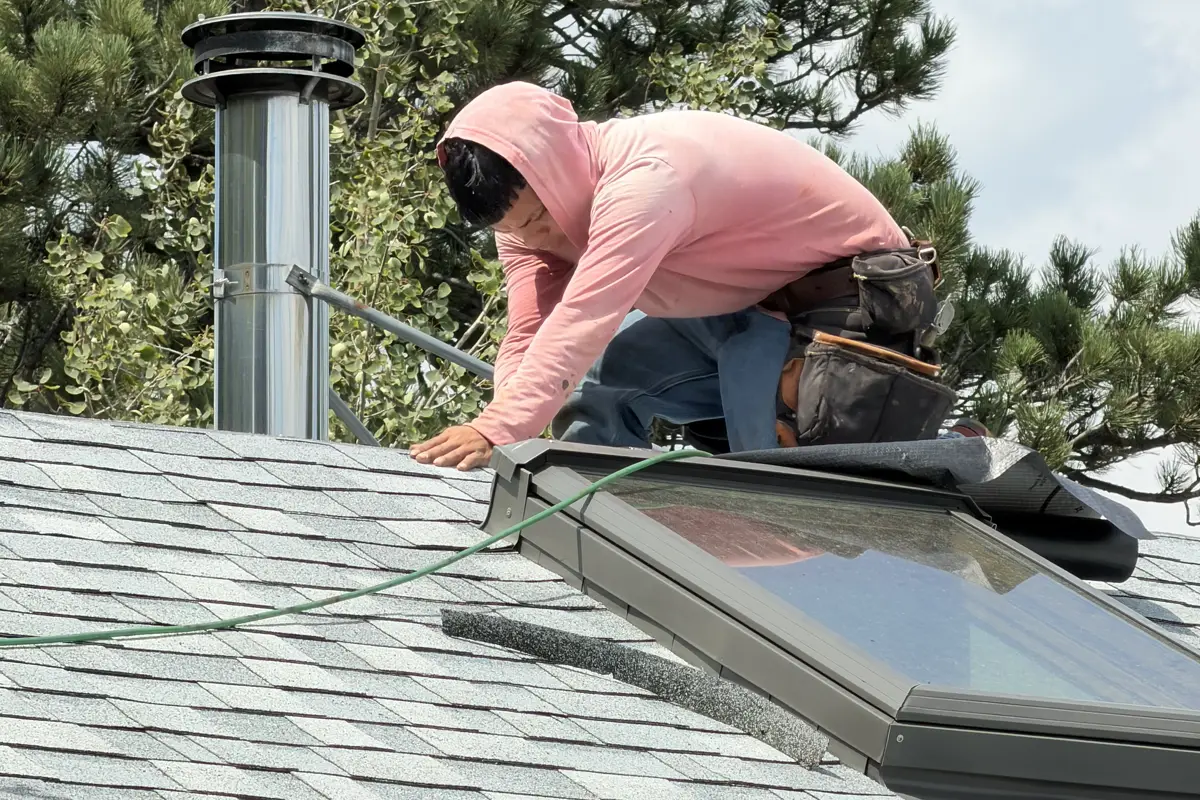
New flashing at skylights, chimneys, and penetrations
New step and counter flashing, skylight flashing kits, and pipe boots. Failed skylights replaced, not reflashed.
Penetrations are where roofs leak and where embers lodge. Old flashing never gets reused.
Metal drip edge at eaves and rakes
Metal drip edge on every roof edge, lapped with the membrane so water and embers have nowhere to go but out.
The roof edge is where wind-driven embers and debris collect against the fascia.
Ember-resistant roof vents
New roof and ridge vents, screened with 1/8" stainless mesh or replaced with WUI-listed ember-resistant vents where the county requires them.
Roof vents are the largest openings into the attic. Standard vents let embers straight in.

Metal gutter guards
Metal gutter guards at every run. New seamless gutters where the existing ones are failing or undersized.
Keeps needles and leaves out of the gutter, where debris against the roof edge ignites.
Mitigation Documentation Package
Photo record by roof plane, product and listing sheet, signed compliance letter, closed permit.
Evidence for your insurer and for Wildfire Partners. Details below.
Proof you can hand to your insurance agent.
When the work is done you get a package documenting exactly what was installed:
- Before-and-after photos by elevation
- A product and listing sheet for every fire-relevant component
- A signed letter stating the scope meets Boulder County ignition-resistant construction requirements
Also formatted to support Wildfire Partners certification documentation.
Insurers must consider property-level wildfire mitigation and let you appeal your wildfire risk score with evidence. This package is the evidence.
Colorado Division of Insurance: wildfire resiliency and insurance
HB25-1182 bill text
Roof options
Same assembly under all three. The difference is the covering, the weight, the lead time, and the cost.
Class A architectural shingle
Fiberglass-mat architectural shingles. Stock material, installed in days.
The most cost-effective Class A roof.
Product and color confirmed at proposal.
Standing seam metal
Standing seam steel over the same membrane and underlayment. Noncombustible covering.
Longest service life, and it sheds snow and debris.
Fabricated to the roof. Longer lead time, confirmed at proposal.
Concrete or clay tile
Tile over the same membrane and underlayment, with noncombustible eave closures so embers can't lodge under the open tile ends. Noncombustible covering.
Long service life and a look shingles can't match. It is the heaviest option, so the framing is checked for the load before we quote it.
Lead time confirmed at proposal.
Financing available through Acorn Finance. Ask about terms during your assessment.
Warranty
How it works
- Free assessment
- Aerial measurement and proposal within 5 business days
- Sign and choose the covering and color, with samples on site
- Material order and permit
- Tear-off and deck inspection
- Dry-in, flashing, and install
- Magnet sweep, final inspection, and walkthrough
- Documentation Package delivered
Who this is for
- Homeowners in Boulder County and the adjacent WUI with a wood shake roof or an asphalt roof past 20 years.
- Homeowners whose Wildfire Partners or City of Boulder assessment flagged the roof, roof vents, or roof debris.
- Homeowners facing insurance nonrenewal or a high wildfire risk score.
Questions we get
Is an asphalt shingle roof really Class A?
Yes, when the right shingle is installed as a complete assembly. Class A is the highest fire rating a roof covering can carry under UL 790 / ASTM E108, and fiberglass-mat architectural shingles carry it, as do standing seam metal and concrete or clay tile installed to their listings. What a Class A covering does not do on its own is close the roof vents, the eave, and the roof-to-wall corners. The assembly does that, which is why those details are included on every job.
Will this lower my insurance?
Colorado HB25-1182 requires insurers to consider property-level mitigation and lets you appeal your wildfire risk score with evidence. The Mitigation Documentation Package is built for that appeal. Whether a carrier applies a discount, and how much, is the carrier's decision.
Do you handle the permit and inspections?
Yes. Fire Ready Exteriors is a licensed general contractor. We pull the roofing permit, schedule every inspection the building department requires, and close the permit.
How long does it take?
You get a proposal within 5 business days of the assessment. Shingles are a stock order. Standing seam metal is fabricated to the roof and tile is ordered to the job, so both carry longer lead times. On site, a shingle roof is usually torn off and dried in the same day and finished within a few days; metal and tile take longer. You get a schedule at signing.
Can you do the roof and the siding together?
Yes, and the sequence matters. The roof goes on first so the roof-to-wall flashing and kickouts are built into the wall system rather than cut in afterward. Both scopes are assessed in the same visit and can be proposed together. See the Ignition-Resistant Re-Side.
NEXT STEP
Book a Free Assessment
We walk the house, measure the roof from the air, and send a proposal within 5 business days.
Phone: (720) 340-1329
Email: info@firereadyexteriors.com